


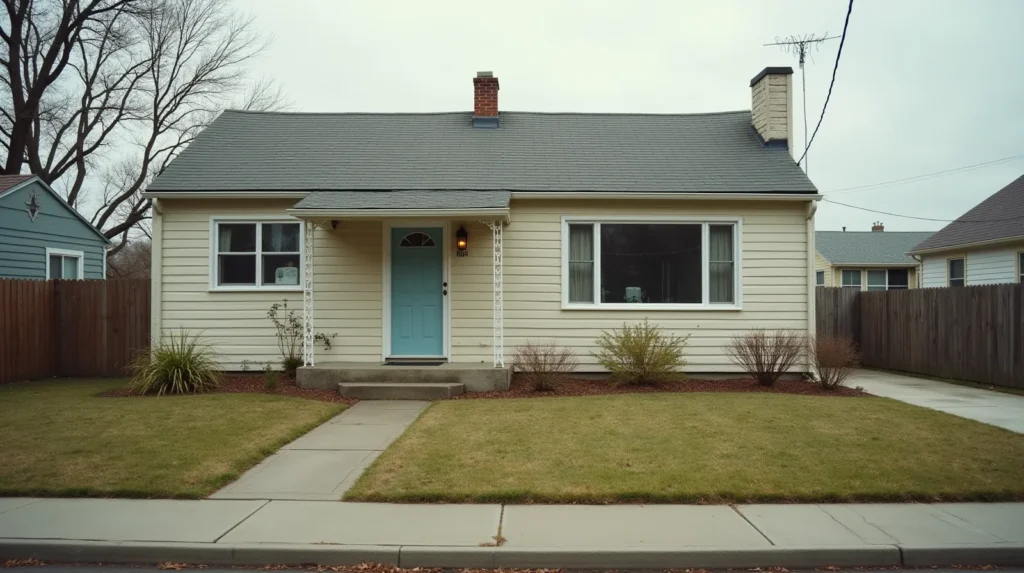
The notice is on the table and the auction date is circled. You still own the house. Nothing about a foreclosure filing changes that — not yet.
The short answer: Yes, you can sell right up until the moment the gavel falls at the trustee’s sale or sheriff’s auction. Your name stays on the deed until the auction concludes. Once it does, the sale closes the door on any private transaction. The window is real, and in some states it is shorter than you think.
Yes, You Can Sell — The One Deadline That Actually Matters
You retain legal title to the property as long as the auction has not concluded. A sale can close, lenders can be paid, and you can walk away with whatever equity remains — or negotiate a short sale if you owe more than the house is worth.
The only clock that matters is the auction date. Not the notice date. Not when the bank referred the account to a foreclosure attorney. The auction.
What changes state by state is how much time sits between the first missed payment and that auction — and that gap is where everything either gets resolved or runs out.
How Foreclosure Timelines Actually Work, by State
The same situation — one missed payment in January — plays out on completely different schedules depending on where the house sits.
Tennessee and Texas — non-judicial, fast
Tennessee and Texas both use non-judicial foreclosure: no court filing, no judge’s calendar, no months waiting for a hearing. The lender issues a notice of default, then a notice of sale, and the auction follows. The active foreclosure process runs roughly 41 days end to end.
Federal CFPB rules require servicers to wait 120 days after the first missed payment before starting foreclosure, so the real minimum from first missed payment to auction is closer to five or six months. But once the clock starts, it moves fast. A notice of sale in Tennessee means the auction is weeks away, not months.
There is no right of redemption on an ordinary mortgage foreclosure in Tennessee. After the hammer falls, you cannot buy the house back, and a private sale is no longer possible.
Texas runs the same mechanics — the first Tuesday of each month is auction day in every county. Miss that window and you wait another full month. For more on how that timeline intersects with foundation issues and FHA/VA appraisal problems common in North Texas, see our Texas page.
Florida — judicial, slow
Florida requires the lender to file suit in circuit court before any sale can happen. That process runs six months to over two years depending on court load. You have 20 days to answer the complaint after being served. The auction is set 20 to 35 days after the judge signs the final judgment.
The longer timeline works in the seller’s favor — more time to list, negotiate, and close. You retain the right to sell until the clerk files the certificate of sale after the auction. After that, the property belongs to the auction buyer.
Florida’s judicial process and its insurance market complications — carriers requiring newer roofs and clean claims history, which narrows the financed-buyer pool — are covered on our Florida page.
Minnesota — the post-sale redemption window
Minnesota is unusual. Foreclosure by advertisement runs through six consecutive weeks of published notice, then a sheriff’s sale. But the process does not end there — most homeowners have a six-month redemption period after the sheriff’s sale to sell the property or buy it back. The window extends to 12 months in certain cases, including agricultural land or where the outstanding balance was small relative to the property’s value.
Selling during the redemption period is possible but legally more complex. The buyer is acquiring a right of redemption, not a clear deed. If you are in this window, a title attorney should be involved before you sign a contract.
What Happens to the Mortgage When You Sell
This is the question most content about foreclosure skips past.
If the sale price covers the mortgage balance, lender fees, and any other liens — those are paid at closing. Whatever is left comes to you. That is equity. You keep it.
If the sale price is less than what you owe, you need lender approval for a short sale. The bank agrees to accept less than the full payoff to release its lien and allow the transaction to close. Short sales take longer — often 30 to 90 days for bank approval alone — and require documentation of financial hardship. They are possible, but they are not fast, and a buyer with experience in short sales is materially different from one who has never done one.
| Cash Sale | Traditional Listing | |
|---|---|---|
| Time to offer | 24 hours | Days to weeks |
| Time to close | 7–14 days | 30–45+ days |
| Agent commission | None | 5–6% of sale price |
| Appraisal required | No | Yes (lender requirement) |
| Works with auction weeks away | Yes | High risk |
| Works with short sale balance | Yes, with experience | Yes, but slower |
A traditional sale with a financed buyer takes 30 to 45 days after a contract is signed — sometimes more. Against an auction six weeks out, one financing hiccup ends the deal and leaves you with nothing.
How a Cash Sale Fits Into a Foreclosure Timeline
A cash buyer can move faster because there is no lender underwriting, no appraisal contingency, no loan commitment timeline. You’ll have an offer within 24 hours of giving us the address. The close can happen in seven days. You pick the date, as long as it gives enough time to process the lender’s payoff before the auction.
We buy houses directly and, where we are not the right buyer, we bring in a cash buyer from our network. We have bought more than 100 houses in situations like this. We have seen the auction letter. We know what the trustee’s deadline looks like, and we know there is no margin for a transaction that falls through at the last moment.
No agent commission — that is typically 5 to 6 percent you keep. No repairs. No showings. No cleaning. The only requirement is that the payoff clears the lien at closing.
If the house also has condition problems that would fail a standard lender appraisal — fire damage, major structural issues, code violations — see our page on selling a fire-damaged house. The same mechanics apply to any property that can’t get through a conventional underwrite.
When You Should Not Sell to Us
A cash offer is not the right answer for every seller in foreclosure.
If you have six months or more before the auction and the house is in reasonable condition, a traditional listing will almost certainly net you more money. Buyers compete, the market moves in your favor, and you capture that upside. A cash offer is priced to account for the risk and carrying costs we take on — it reflects as-is value, not top-of-market value.
If you owe more than the house is worth and the auction is still months away, a HUD-approved housing counselor may open options a buyer cannot: a loan modification, a forbearance agreement, or a formal repayment plan with the servicer. Those options close as the foreclosure advances. HUD lists counselors at no cost at hud.gov. The earlier you get there, the more options are on the table.
If you have real equity and real time, do not leave it on the table. We would rather send you to an agent than buy a house where you walked away from $40,000 that was rightfully yours.
For sellers who are behind on payments but have not yet received a formal notice of sale, our guide to selling before foreclosure completes covers that earlier stage in more detail.
Straight Answers
Does a foreclosure filing hurt my credit even if I sell before the auction?
The missed payments are already on your credit report. But if you sell before the auction and pay off the mortgage at closing, the lender typically reports the account as satisfied — not foreclosed. A completed foreclosure notation is more damaging and stays on the report longer. Stopping the process before it completes matters for what comes next financially.
Can the bank stop me from selling?
No. You hold title. The bank holds a lien — a claim against the proceeds, not ownership of the property. You can sign a contract, accept a deposit, and close a sale at any point before the auction. The lender’s payoff comes out of the closing proceeds.
What if there are other liens — property taxes, HOA, contractor?
All liens clear at closing. A title search surfaces them, and they are paid out of proceeds in priority order. A cash buyer with experience in these situations can often work around lien stacks that would cause a financed transaction to fall apart.
What is a short sale and when does it make sense during foreclosure?
A short sale is when the lender agrees to accept less than the full payoff amount to release its lien and allow the sale to close. It is not automatic — the bank has to approve it, which takes time. If you owe $280,000 and the house is worth $215,000, a short sale is the only path that does not require you to bring cash to closing. We work through short sale situations. Call (615) 780-7349 to talk through whether your balance and timeline make it realistic.
Do I have to tell a buyer the house is in foreclosure?
Yes. A pending foreclosure is a material fact that affects title and must be disclosed. Any buyer who runs a title search — which every serious buyer does — will see it regardless.
What if the auction is only weeks away?
Call us first. Seven days is enough to close a cash sale if the title is clear and there is equity to pay off the mortgage. If a short sale balance is involved, lender approval takes longer than a few weeks and the timeline likely does not work. We will tell you that plainly rather than take your time and leave you worse off.
The one step that matters right now
Give us the address. You’ll have a cash offer within 24 hours and a straight answer on whether your auction date gives us enough room. If it does not, we will tell you that too. Call (615) 780-7349 or submit the address in the form on this page.
Keep reading
- How to Sell a House With Solar Panels
- Selling a House with Termite Damage
- Sell My House Fast Tulsa OK
- Sell My House Fast in Waukesha, WI — Cash Offer in 24 Hours
- Sell My House Fast Pittsburgh PA
- Selling a House After a Failed Inspection
Ready for a number? Get your cash offer or call (615) 780-7349.