


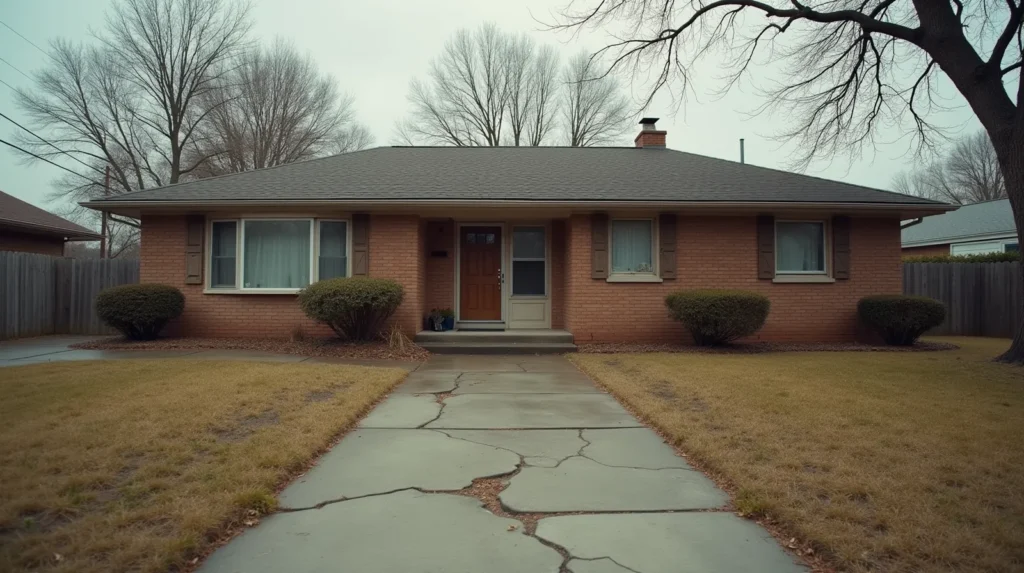
The short version: You can sell your house during bankruptcy. In Chapter 7, the trustee controls the process. In Chapter 13, you need court approval first. Either way, a cash offer closes faster and creates fewer financing conditions — which courts and trustees generally prefer.
Chapter 7 vs. Chapter 13: two different situations
The chapter you filed determines almost everything about what happens to your house.
In Chapter 7, your assets — including your home — transfer to a bankruptcy estate the moment you file. A trustee assigned to your case decides what to do with them. If your home equity exceeds your applicable exemption, the trustee may sell the house to pay creditors. If equity is under the exemption, you keep it.
In Chapter 13, you keep control of your assets throughout the repayment plan. But selling your home requires court approval — a motion to sell filed under Federal Rule of Bankruptcy Procedure 6004. Creditors get notice and a chance to object. If no one does within the response period, the court signs the order and you can close.
What the automatic stay actually does
When you file bankruptcy, the court issues an automatic stay under 11 U.S.C. § 362. This immediately stops foreclosure proceedings, collection calls, and any pending trustee’s sale. Many people file specifically because they are facing a foreclosure auction date and need to stop the clock.
The stay is real protection. But it does not protect you from the trustee in a Chapter 7 case. The trustee works for your creditors, not for you.
Chapter 7: what the trustee controls
The trustee’s job is to find non-exempt assets and convert them to cash for creditors. Your house qualifies as a non-exempt asset if the equity exceeds your exemption.
Tennessee’s state homestead exemption is ,000 for a single filer and ,500 for a married couple (T.C.A. § 26-2-301). That is one of the lowest figures in the country.
Here is what most people filing in Tennessee do not know: you are not limited to the state exemption. Tennessee allows debtors to choose between state and federal exemptions. Under 11 U.S.C. § 522(d)(1), the federal homestead exemption was 7,900 for a single debtor in 2024 (the figure adjusts every three years for inflation). For a married couple filing jointly, it doubles. If your equity falls under the federal exemption, the trustee leaves the house alone.
If your equity exceeds whichever exemption you apply, the trustee has authority to sell under 11 U.S.C. § 363. You receive the exempt portion; creditors receive the rest.
How do I know which exemption applies to my situation?
You choose at the time you file — it is all state or all federal, no mixing. If you own a home with meaningful equity, most Tennessee bankruptcy attorneys recommend the federal exemption set because the homestead protection is far larger. Confirm the current figures with your attorney before filing, because the amounts are indexed to inflation and change every three years.
Chapter 13: selling with court approval
Chapter 13 is a reorganization. You keep your assets and pay creditors over three to five years through a court-confirmed plan. If you need to sell mid-plan — because you are relocating, the payments are unworkable, or the property needs more upkeep than you can manage — the process is:
- Your attorney files a motion to sell, disclosing the proposed price, buyer, and use of proceeds
- The motion is served on the trustee and all creditors
- Creditors have 21 days to object
- If no objection is filed, the court enters an order authorizing the sale
- You close
Sale proceeds above your exemption amount typically flow into the bankruptcy plan, paying creditors faster and potentially shortening your repayment term.
Can I sell my house before I file bankruptcy?
Yes — but the timing has real consequences. Selling before you file converts home equity to cash. That cash becomes part of the bankruptcy estate and is subject to exemptions, but cash exemptions are often lower than the homestead exemption. A trustee will also scrutinize any pre-filing sale to make sure it was not a fraudulent transfer to a related party or for less than market value. If you are considering selling before a foreclosure completes and bankruptcy is also on the table, talk to a bankruptcy attorney before you do either. The order matters.
Why a cash offer simplifies the court process
Financed buyers create conditions. A lender appraisal, a financing contingency, a loan denial the week before closing — any of these can unwind a court-approved sale. The court held a hearing, creditors were served, the trustee reviewed the terms. A collapsed sale means filing a new motion and doing it again.
A cash offer eliminates the financing contingency entirely. The price and terms the court approves are the terms you actually close on. We buy as-is, which removes repair demands that could change the sale price after the court has already agreed to a number.
Speed matters too. A sale that closes in 7 to 14 days reduces the trustee’s ongoing administrative costs for the estate. Lower administrative costs mean more reaches creditors. Trustees are aware of this arithmetic.
Tennessee exemption figures at a glance
| Filing situation | Homestead exemption | Source |
|---|---|---|
| Single filer, state exemptions | ,000 | T.C.A. § 26-2-301 |
| Married couple, state exemptions | ,500 | T.C.A. § 26-2-301 |
| Single filer, federal exemptions | 7,900 | 11 U.S.C. § 522(d)(1) |
| Married couple, federal exemptions | 5,800 | 11 U.S.C. § 522(d)(1) doubled |
Your equity is your current market value minus what you owe on the mortgage — not what you paid, not an automated estimate, not last year’s appraisal. What a buyer will pay today in your county.
Tennessee has three federal bankruptcy court districts: the Middle District in Nashville, the Western District in Memphis, and the Eastern District covering Knoxville and Chattanooga. Procedures for § 363 sales and Chapter 13 motions to sell are substantively the same across all three, but local rules on notice periods vary. Your attorney files in the district that covers your county.
What happens if the trustee is already selling my house?
In Chapter 7, once the trustee has initiated a sale, you are no longer the seller — the estate is. You cannot separately pursue a cash offer. What you can discuss with your attorney is whether there is a path to redeem the property under 11 U.S.C. § 722, or whether the case can close if creditors have been substantially paid.
If the trustee has not yet listed or contracted the property, and your chapter gives you standing to sell, that is when a cash offer is worth getting.
What if the house also has a lien on it?
Tax liens, judgment liens, and mechanic’s liens can all run alongside a bankruptcy case. We covered selling a house with a lien in detail elsewhere — including how IRS federal tax liens work under 26 U.S.C. § 6321 and the Certificate of Discharge process. In a bankruptcy, whether a particular tax debt is dischargeable depends on when the return was filed and how old the debt is. Your attorney handles the discharge analysis; the title company handles the lien payoff mechanics at closing, regardless of who the buyer is.
When you should not sell to us
If your equity significantly exceeds your exemption, a trustee-run traditional sale may net your creditors more. The trustee’s goal is maximizing the payout — they may hold out for a higher retail price over a longer timeline. A cash offer trades some of that ceiling for speed and certainty. That trade makes sense if the repayment plan is unsustainable and you need resolution now. It does not make sense if you have 50,000 in equity, ample time, and a trustee already working toward a better number.
If your mortgage is underwater — you owe more than the house is worth — a sale produces no proceeds to distribute and helps no one. The right path there is either letting the lender foreclose or discussing surrender of the property in bankruptcy with your attorney.
If the house is your only major asset and you are current on the mortgage: Chapter 13 may let you keep it without selling. A sale is not the only way through bankruptcy.
If you inherited the house and it is also moving through probate, there are two legal processes running at once. We have bought inherited houses and houses in probate — but the bankruptcy layer means your attorney needs to coordinate both before you close. That is not complicated, but it cannot be skipped.
Straight answers
Can I sell my house if I just filed Chapter 7?
The trustee controls the process once you file. If your equity is under your exemption, the trustee abandons the asset and you can sell. If equity is above the exemption, the trustee sells it — not you. Get your attorney’s read on your exemption situation before filing or making any sale decision.
How long does a Chapter 13 motion to sell take?
Typically three to five weeks from filing the motion to court approval, assuming no creditor objections. Your attorney prepares the motion; the 21-day objection period runs; the court signs the order. Then closing itself can happen in 7 to 14 days with a cash buyer.
Does selling in bankruptcy hurt my credit more than the bankruptcy itself?
No. The bankruptcy filing is the credit event. Selling the house is part of resolving the case — it does not add an additional negative mark on top of the bankruptcy.
The offer, explained plainly
Give us the address. We will have a cash offer to you within 24 hours. You can take that number to your bankruptcy attorney, present it to the trustee, or use it to support a motion to sell filed with the court. No obligation until you sign a contract.
No agent commission — that is 5 to 6 percent you keep. No repairs. No cleaning. You pick the closing date within our 7 to 14 day window.
Call us at (615) 780-7349 or enter the address in the form above.
Keep reading
- Can I Sell My House with Foundation Problems?
- Can I Sell My House During a Divorce?
- How to Sell Your House Without a Realtor
- Sell My House Fast in Milwaukee, WI — Cash Offer in 24 Hours
- Can I Sell My House While It’s in Foreclosure?
- Sell My House Fast in Racine, WI — Cash Offer in 24 Hours
Ready for a number? Get your cash offer or call (615) 780-7349.