


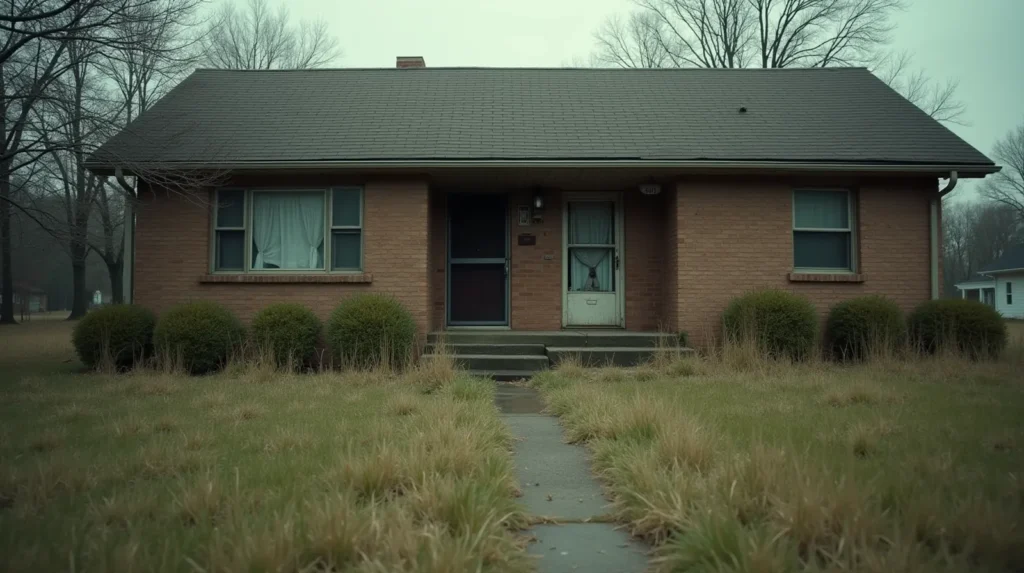
Your options when someone is living in your Tennessee property without permission
Someone is living in your Tennessee property without your permission, without a lease, and without paying you. Maybe you inherited the house and the occupant was already there when you got the deed. Maybe you let someone stay temporarily and they stopped leaving. Maybe you bought a property and someone moved in before you could secure it.
Whatever happened, you need them out — or you need a way to sell and move on without dealing with the eviction yourself.
Short answer: Tennessee gives unauthorized occupants no automatic rights, but removing them still takes time and legal process. Your options are (1) the 2024 expedited sheriff removal if you qualify, (2) a formal unlawful detainer lawsuit, or (3) selling the house as-is to a cash buyer who takes on the situation after closing. We buy Tennessee properties in exactly this condition. Call (615) 780-7349 for a cash offer within 24 hours.
What Tennessee law actually says about unauthorized occupants
Tennessee has no meaningful “squatters rights.” Squatting is illegal trespassing under state law. An unauthorized occupant has no legal claim to remain just because they have been there a while.
The narrow exception is adverse possession. A person can claim legal title after 20 years of continuous, open, and exclusive occupation — or 7 years if they hold a recorded “color of title” document AND have been paying property taxes on the land. Those timelines make adverse possession nearly irrelevant for most situations. Someone who moved into an inherited house two or three years ago has no colorable claim.
What the law does require: you cannot remove them yourself. Turning off utilities, changing locks, removing belongings — all of that is illegal self-help eviction in Tennessee, even when the occupant clearly has no legal right to be there. You have to use the legal process.
The 2024 expedited sheriff removal — and when it applies
Tennessee passed HB 1259 in April 2024, and it took effect in July of that year. The law created a faster alternative to the courthouse: a property owner submits a sworn written complaint directly to the local sheriff’s office, rather than filing an eviction lawsuit first.
The sheriff’s fast-track applies to unauthorized occupants in residential dwellings — people who are not tenants under a lease and were never in a legitimate tenancy. If the checklist criteria are met, the sheriff can remove the person faster than the standard court timeline.
The catch: the occupant has to clearly qualify as unauthorized. If money ever changed hands, or if the person might characterize the arrangement as any kind of tenancy — even informal — the sheriff’s office may decline the fast-track and redirect you to court. The law is recent. Nashville-area counties have seen more of these cases than rural counties have; how individual sheriffs apply the checklist varies.
Unlawful detainer — what the court process looks like
If the fast-track doesn’t apply, or if the occupant contests the process, you’re filing an unlawful detainer lawsuit in General Sessions Court in the county where the property sits. In practice that means:
– Written notice is served on the occupant — the required type and timing depend on the specifics of the situation
– The unlawful detainer lawsuit is filed in General Sessions Court in the county where the property sits
– A hearing is scheduled — typically within a few weeks of filing
– If you prevail, the court issues a writ of possession
– The county sheriff enforces the writ
A straightforward case where the occupant doesn’t appear or doesn’t contest can run 3 to 6 weeks from the day you file. Contested cases — where the occupant claims any kind of tenancy or raises other defenses — run longer, and legal costs climb. Most property owners in a contested case hire an attorney.
During all of this, the person is still in the house. If the property needs repairs before it can go on the market, you cannot start that work while someone is living there.
Comparing your three paths
| Option | Typical timeline | Who handles it | Out-of-pocket cost |
|---|---|---|---|
| Expedited sheriff removal (HB 1259) | Days to a few weeks | You, if the situation qualifies | Filing fees |
| Unlawful detainer lawsuit | 3–6+ weeks, longer if contested | You, with or without an attorney | Filing fees + legal fees if contested |
| Sell as-is to a cash buyer | 7–14 days to closing | Buyer takes on the situation | None — no commissions, no fees |
What selling as-is means when there is an occupant in the house
A cash buyer can purchase a Tennessee property with an unauthorized occupant still inside. We close with our own money — no lender requiring a vacant property, no appraisal contingency, no inspection conditions tied to vacancy. We take the house in its current condition.
Once the sale closes, the occupant situation is ours to handle, not yours. You are done with the property. You have avoided the legal process, the timeline uncertainty, the attorney fees, and months of carrying costs on a property you cannot use or list on the open market.
The tradeoff is the same as any as-is cash sale: the offer price reflects what we are taking on. You will likely net less than you would by completing the eviction, repairing the house, and listing it with an agent. Whether that tradeoff makes sense depends on what the situation is costing you — in legal fees, delayed mortgage payments, or the weight of managing a property you never wanted to own.
For an inherited house with an occupant that was never your problem to create, selling and walking away often makes more sense than months of legal process to preserve a number on paper.
When you should not sell to us
If the occupant situation is already resolved and the house is in reasonable shape, list it with a real estate agent. You will net more money. There is no reason to pay us a discount if the problem that justifies the discount no longer exists.
If you have time and resources to handle the legal process yourself, evicting and then selling on the open market will return more. The as-is cash price accounts for the work we take on after closing; if you are willing to do that work, keep the difference.
If you are not under time pressure, the property is insurable and financeable once it is vacant, and you have the bandwidth to manage the process — the open market is the better answer.
What if I inherited the property and the occupant was already living there when I got it?
That is one of the more common situations we see. The previous owner may have had an informal arrangement, or the occupant simply stayed on after the owner passed. Probate can add complexity to the timeline, but it does not prevent a cash sale. Read more about selling an inherited house for how title and probate interact with a cash sale.
Can I sell the house as-is with someone still living inside it?
Yes. Because we close with cash rather than financing, there is no lender requiring a clear vacancy standard before funding. We take the property in its current condition, occupant included. For more on what as-is means in practice, see selling a house as-is for cash.
Is this different from selling with tenants in place?
Meaningfully different. A tenant under a lease has a legal right to remain through the term and specific statutory protections. An unauthorized occupant has neither. The legal removal process differs, and we evaluate the two situations differently when setting an offer. If your situation involves a lease-holding tenant rather than an unauthorized occupant, read about selling rental property with tenants in it instead.
What if the property is also in rough shape — water damage, neglect, code violations?
Properties that sit long enough to attract unauthorized occupants often have deferred maintenance on top of the occupant situation. We buy houses in any condition. If there are code violations, structural issues, or damage from a roof leak, that goes into the as-is evaluation but it does not disqualify the property. See selling a house as-is for what that evaluation looks like in practice.
What if falling behind on the mortgage is also a concern?
It happens, especially with inherited properties where the new owner is also carrying costs on their own home. If a foreclosure timeline is starting to enter the picture, the sequence of decisions matters. Read about selling a house before foreclosure completes so you understand what windows are available and when they close.
How it works from here
Call (615) 780-7349 or put the address in the form above. We will ask a few questions about the property, the occupant situation, any existing mortgage, and the condition of the house. You will have a cash offer within 24 hours.
You pick the closing date. Anywhere from 7 to 14 days works, or longer if you need more time to sort out paperwork or probate. No fees, no commission, no obligation to accept.
If the offer does not make sense for your situation, the conversation costs you nothing.