


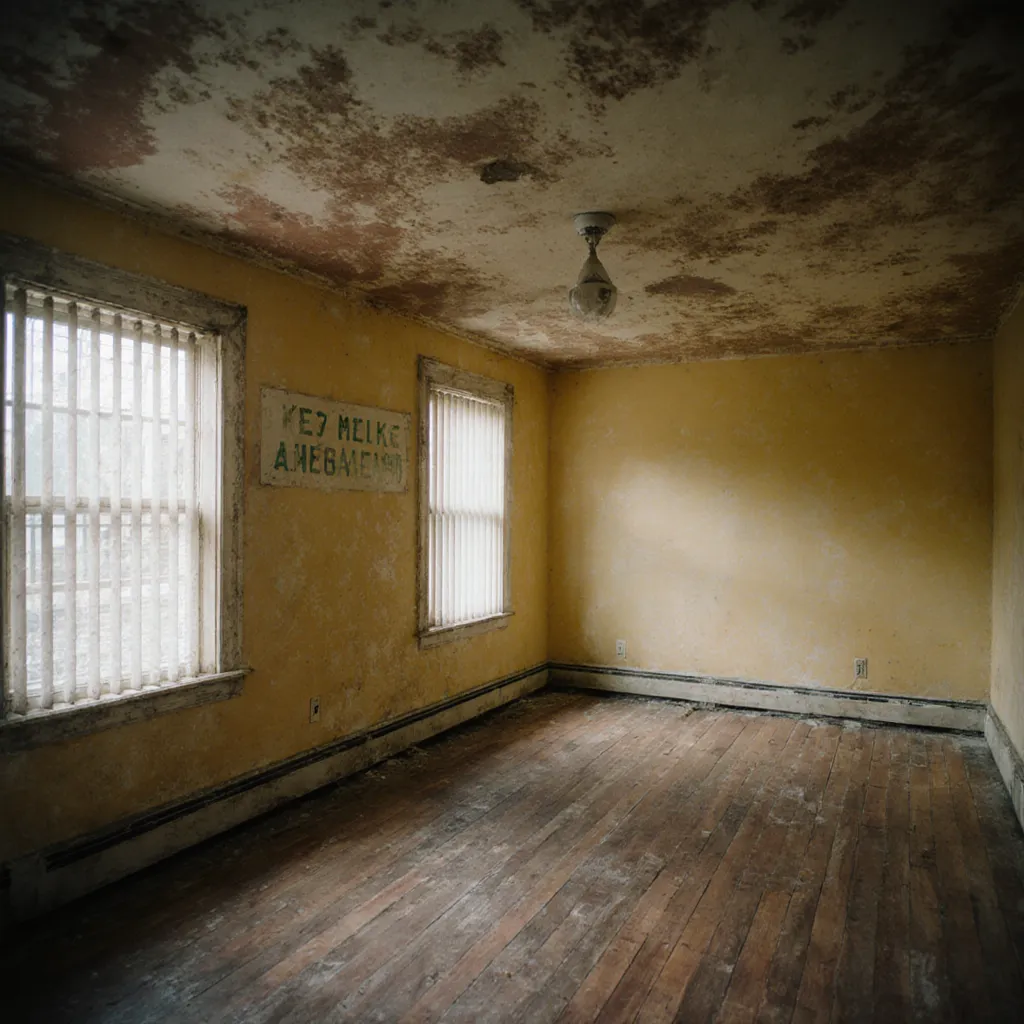
The house smelled the first time the inspector walked in. Forty years of cigarette smoke had settled into the drywall, the carpet, the ceiling tiles. Or maybe it was a small kitchen fire last winter — not big enough to damage the frame, but the smoke spread through the HVAC and never really left. Either way, you have a house that stops most buyers at the door.
TL;DR: Smoke damage without structural destruction does not block a cash sale. The obstacle is appraisers and insurance carriers — and cash buyers skip both. Severe tobacco or post-fire smoke can cause FHA and VA appraisers to flag a health and safety condition, stopping conventional financing. A cash offer closes without appraisal. Disclosure is required in every state regardless of buyer type.
Can you sell a house with smoke damage?
Yes. There is no law preventing the sale of a smoke-damaged house. What blocks many sales is the buyer’s financing — not the law.
FHA and VA lenders require an appraiser to certify that the property meets minimum property standards before they fund. Severe smoke odor qualifies as a health and safety concern under HUD Handbook 4000.1 §II.A.3.a. When an appraiser flags it, the lender issues a repair condition: clear the smoke damage, provide a contractor certification, then come back for re-inspection. That sequence takes weeks, costs money, and falls apart if you do not have the time or the cash.
Conventional loans underwritten to Fannie Mae and Freddie Mac guidelines give appraisers similar latitude to flag apparent hazardous conditions affecting health and safety. The wording varies, but the outcome is the same: the deal stalls until the condition clears.
Cash buyers have no appraiser. They factor the remediation cost into the offer and close on their own timeline.
What kind of smoke damage affects a sale
Decades of tobacco smoke. The most common. Yellow walls, brown ceilings, stained HVAC venting, and a persistent odor that painting over does not solve. Professional remediation — ozone treatment, thermal fogging, duct cleaning, and HEPA scrubbing — runs $3,000 to $15,000 for a standard-size home. Severe cases where the drywall has absorbed the odor may require full replacement, pushing costs to $30,000 or more. Older homes in East Nashville, Germantown, and Waverly-Belmont in Nashville carry this after decades of owner occupancy. So do pre-war bungalows in Houston’s Montrose and Heights neighborhoods and Oak Cliff in Dallas.
Post-fire smoke spread. A small fire in the kitchen or laundry room, quickly contained. No structural damage — this is a different situation from selling a fire-damaged house where the frame is compromised. But the HVAC was running when the fire occurred. Smoke traveled through every room and left soot on ceilings, odor in closets, and residue in ductwork. The house is livable. It does not look like a fire-damaged house — but it fails an FHA and VA appraisal the same way.
Cannabis smoke. Growing in frequency as more states legalize. The chemistry differs from tobacco — terpene residue binds differently to surfaces — but the remediation approach is similar, and FHA and VA appraisers treat the odor the same way. Disclosure requirements apply regardless of the substance’s legal status in your state.
The insurance problem that blocks conventional buyers
Beyond the appraisal barrier, smoke damage creates an insurance gap that stops many sales before closing.
If a fire — even a small one — triggered an insurance claim, that claim lives on your CLUE report for seven years. CLUE (Comprehensive Loss Underwriting Exchange) is a shared claims database. When the next buyer’s insurance carrier pulls it, they see the claim. Some carriers decline coverage. Others apply surcharges. A buyer who cannot secure homeowners insurance cannot close a conventional mortgage.
Tobacco smoke without a prior claim does not appear on CLUE. But in Florida, a four-point inspection surfaces it. Citizens Insurance and most private Florida carriers require a four-point inspection on homes 25 years or older. An inspector who finds evidence of heavy smoking — discolored walls, residue on the A/C coil — notes it under the interior condition section. If the carrier grades it a D or F, they decline the policy. That kills the financed buyer’s timeline even when the structure is sound and there is no prior claim. For sellers navigating Florida’s insurance complications, see what happens when you sell a house with an open insurance claim.
What disclosure requires in Tennessee, Texas, and Florida
Tennessee. TCA § 66-5-202 requires disclosure of all known material defects. Visible smoke staining and persistent odor qualify. Disclose the source — fire, tobacco, other — the extent, and any remediation already completed. A seller who conceals known smoke damage faces a three-year liability window from the date the buyer discovers it. TCA § 35-5-101 non-judicial foreclosure moves in 60 to 90 days if mortgage payments stop during the sale process; a cash close at 7 to 14 days keeps that window closed.
Texas. TREC Form OP-H Section 5 asks about environmental hazards and Section 1 asks about previous fire damage — both apply depending on the cause. Under TX Property Code § 5.008, noting “unknown” is a legal response for conditions not personally observed. Document what you know; disclose it plainly.
Florida. FL § 689.261 requires written disclosure of known conditions that materially affect the property’s value. Severe tobacco smoke falls within that standard. A post-fire smoke scenario also triggers the property history disclosure under FL SB 7028, effective January 1, 2024, which requires written disclosure of insurance claims within the prior five years. For buyers in Florida’s harder insurance environment, how we buy houses in Florida explains the process.
The math: remediate and list versus sell as-is
| Factor | Remediate and list with agent | Sell as-is to cash buyer |
|---|---|---|
| Remediation cost | $3,000 – $30,000+ | $0 |
| Agent commission | 5–6% | $0 |
| Appraisal risk | Present — any residual odor fails | None |
| Re-inspection cycle | 2–4 weeks minimum | Not required |
| Time to close | 45–90 days after remediation | 7–14 days |
| Certainty | Low — re-test required after treatment | High — offer is the number |
On a $260,000 home: $12,000 remediation plus $15,600 commission nets roughly $232,000 — if the treated house passes the next appraisal. A cash offer at 85% nets approximately $221,000 with no remediation, no commission, and no second inspection required. The gap narrows further if the post-treatment appraisal fails and you need a second remediation cycle.
When a cash sale is not the right answer
If the smoke odor is light — one room, a previous occupant who smoked occasionally, nothing in the walls or HVAC — professional remediation is a better path. One round of ozone treatment and duct cleaning runs $500 to $2,000. A house with documented professional remediation and a clean post-treatment air quality test becomes a stronger listing, not a weaker one. List with an agent if you have 60 days and the odor is isolated to one area.
The cash sale makes sense when the odor is severe and throughout the house, when the HVAC has distributed it beyond what surface treatment alone can address, when a CLUE claim is reducing your buyer pool, or when you need to close before a multi-week remediation and re-inspection cycle is possible.
We buy houses directly, and where we are not the right buyer, we bring one who is. More than 100 houses purchased as-is. You will have an offer within 24 hours of submitting the address — no repairs, no remediation required, no commission. Call us at (615) 780-7349 or submit the address and sell your house as-is today.
Straight answers on smoke damage
Can you sell a house that smells like cigarettes?
Yes. Tobacco odor is not a legal barrier to sale. It is an appraisal barrier when the buyer uses FHA or VA financing. Cash buyers close without an appraisal and factor the remediation cost into the offer price.
Do I have to disclose that the prior owner smoked?
Disclose the current condition you can observe — visible staining, persistent odor, or a known fire history all require disclosure in Tennessee, Texas, and Florida. If professional remediation eliminated all evidence, you are generally not required to speculate about a prior owner’s habits. Document the remediation regardless.
Will a lender approve a house with smoke damage?
An FHA or VA lender will not fund until the appraiser clears the health and safety condition. If the appraiser flags severe smoke odor, the lender holds funding until a contractor certifies resolution and a re-inspection passes. Conventional loans are more flexible but still subject to appraisal. Cash buyers have no lender in the transaction.
How long does smoke remediation take?
Light odor: two to four days for ozone treatment, duct cleaning, and repainting. Severe tobacco or post-fire smoke throughout the house: two to four weeks minimum — duct replacement or full encapsulation of walls and ceilings requires time and dry conditions. The re-inspection and lender sign-off add another week to 10 days after treatment is complete.
Can I keep the insurance money if I sell after a fire?
Yes. If the fire was small and an insurance payout covered smoke cleanup, you can keep those proceeds and sell the house at an as-is price that reflects the remaining condition. The insurance payout belongs to you at closing and is not pulled from proceeds unless an outstanding mortgage lien specifically requires it — which is uncommon on partial-loss claims.